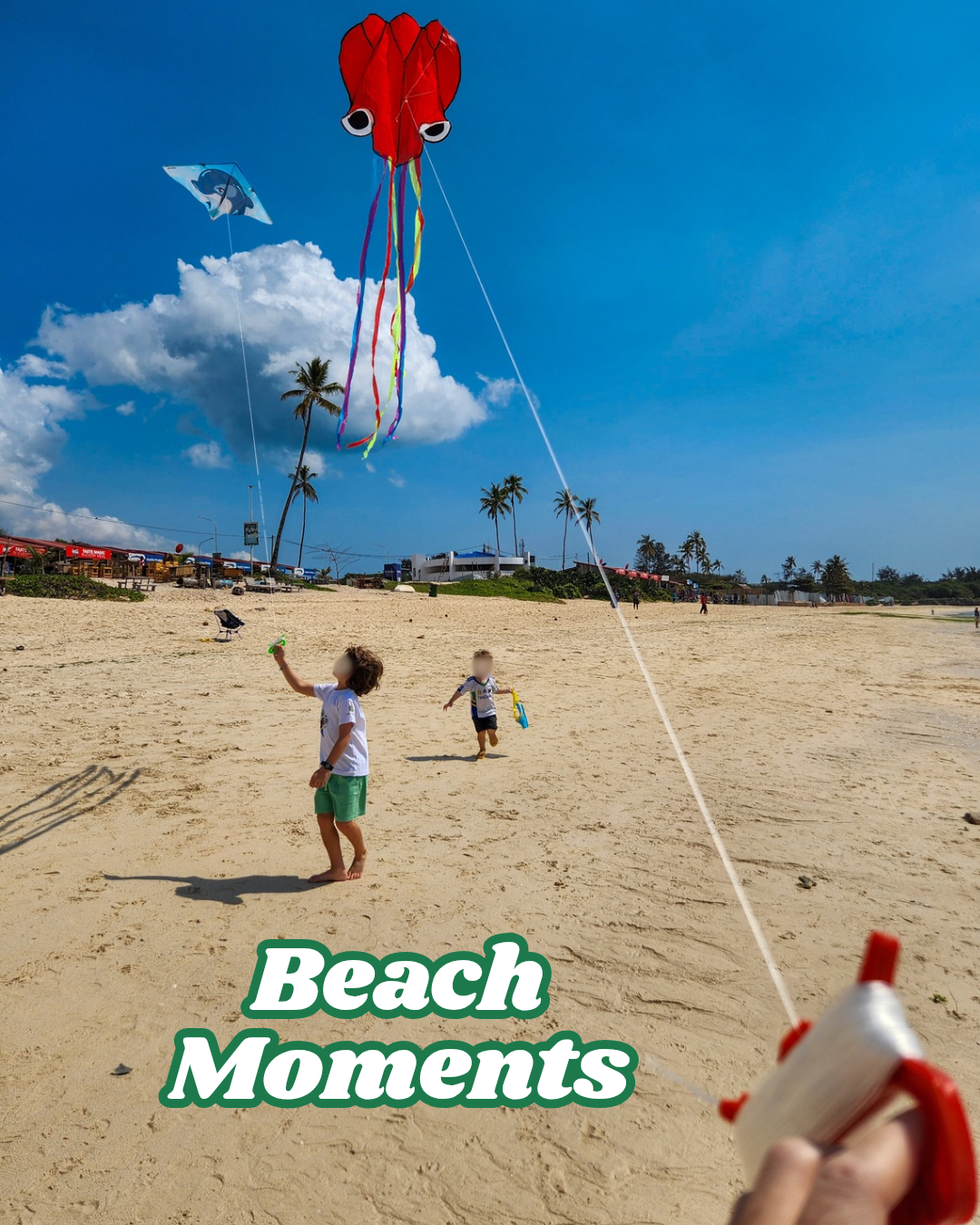
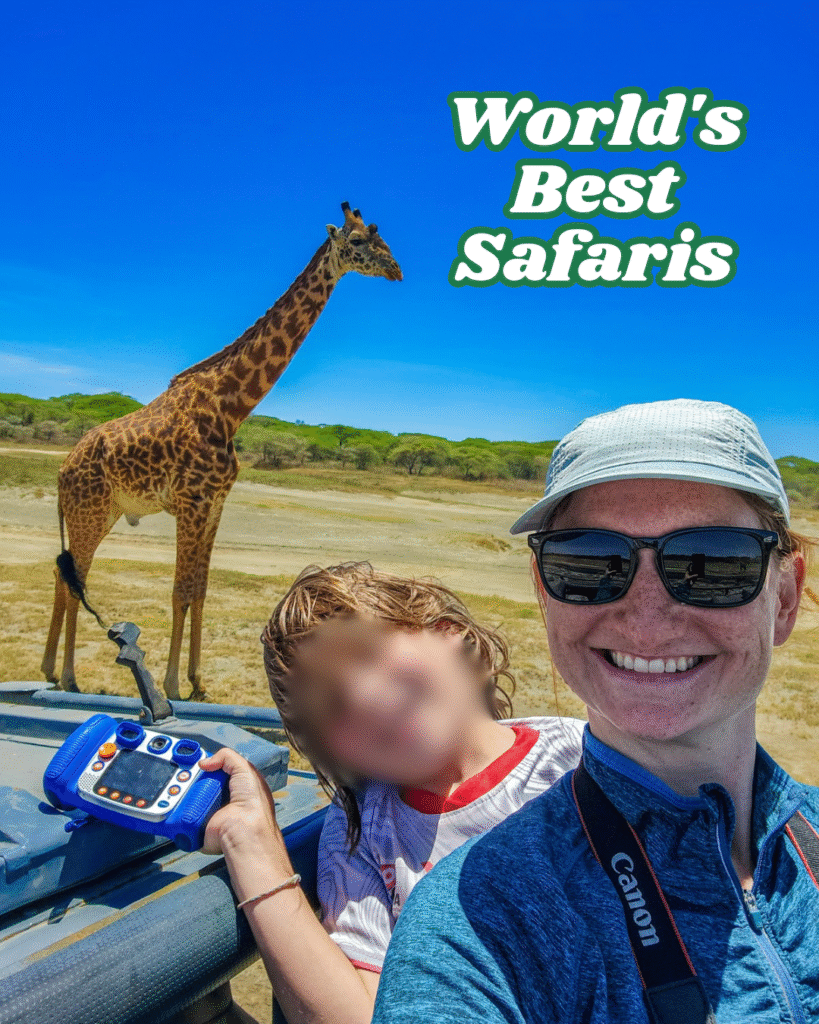
When I think about what I miss most about life in Tanzania, it’s easy to get swept away by memories of sunny beaches, safari thrills, and daily life by the ocean.

But that’s not what I miss the most. What I truly miss is the community you build while living among expats. Arrivals and departures are constant, which makes transitions feel more bearable. Everyone has been the newbie, and everyone is willing to show you the ropes. With no family nearby, friends and neighbors become more than that – they become family. They’re the people you share a big Thanksgiving potluck with, the group that makes Halloween magical for the kids, the friends who would watch your dog for months if you suddenly had to leave (as we did during COVID).
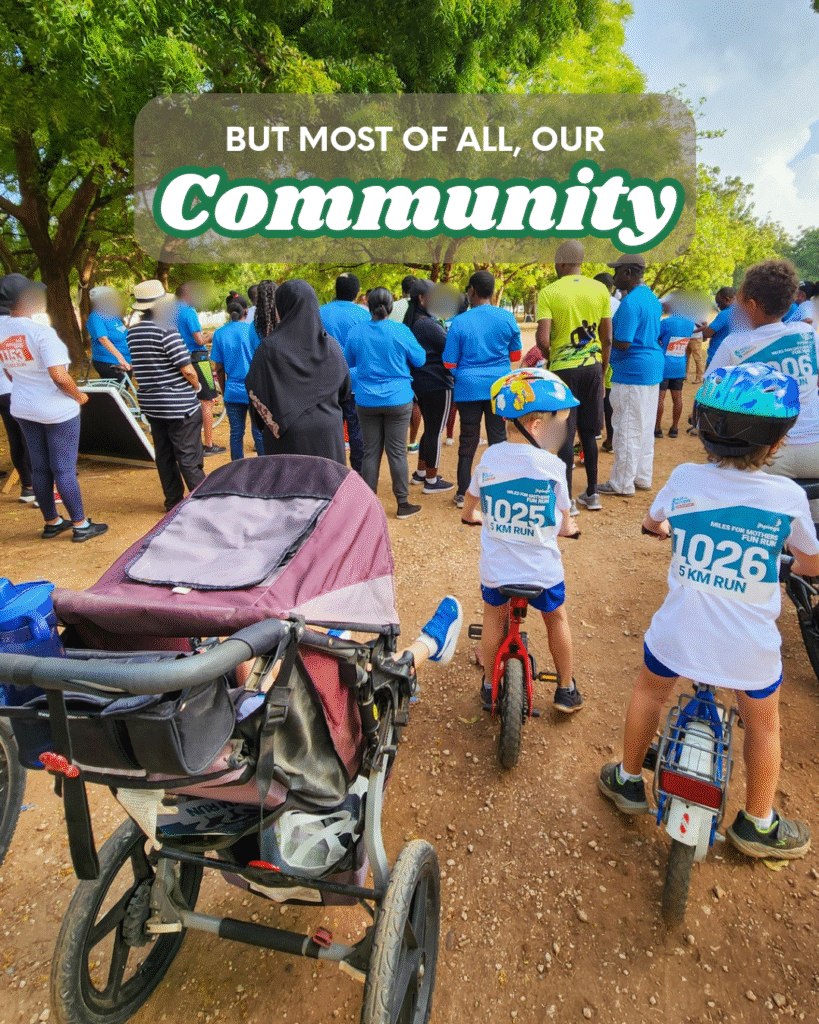

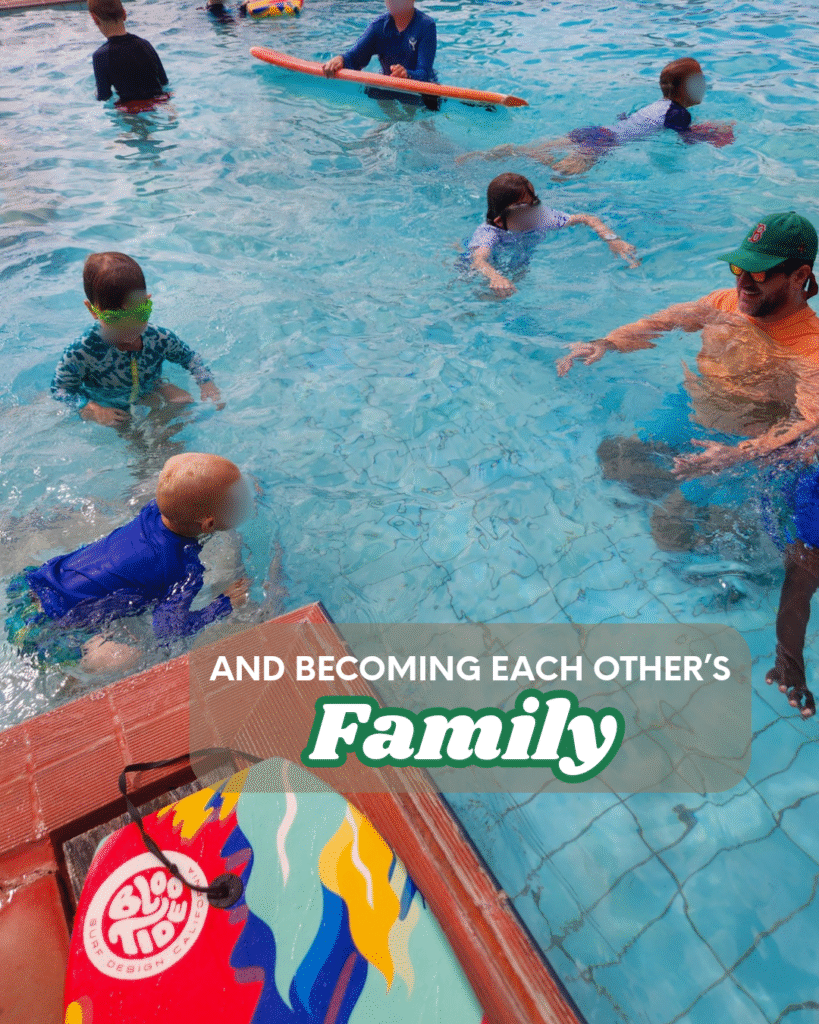
As an expat, integration is a beautiful goal – learning the language, celebrating local holidays, eating local cuisine – but unless you stay for many years, you’ll always remain a little bit of an outsider. The Peace Corps gave me an early taste of this: two years of integrating, working, and trying to make a difference. But the goal was never to become Ethiopian – it was simply to be part of it. My time in Lesotho and Tanzania with my family felt similar: you integrate where you can, but you also lean on fellow expats to relate, connect, and befriend.
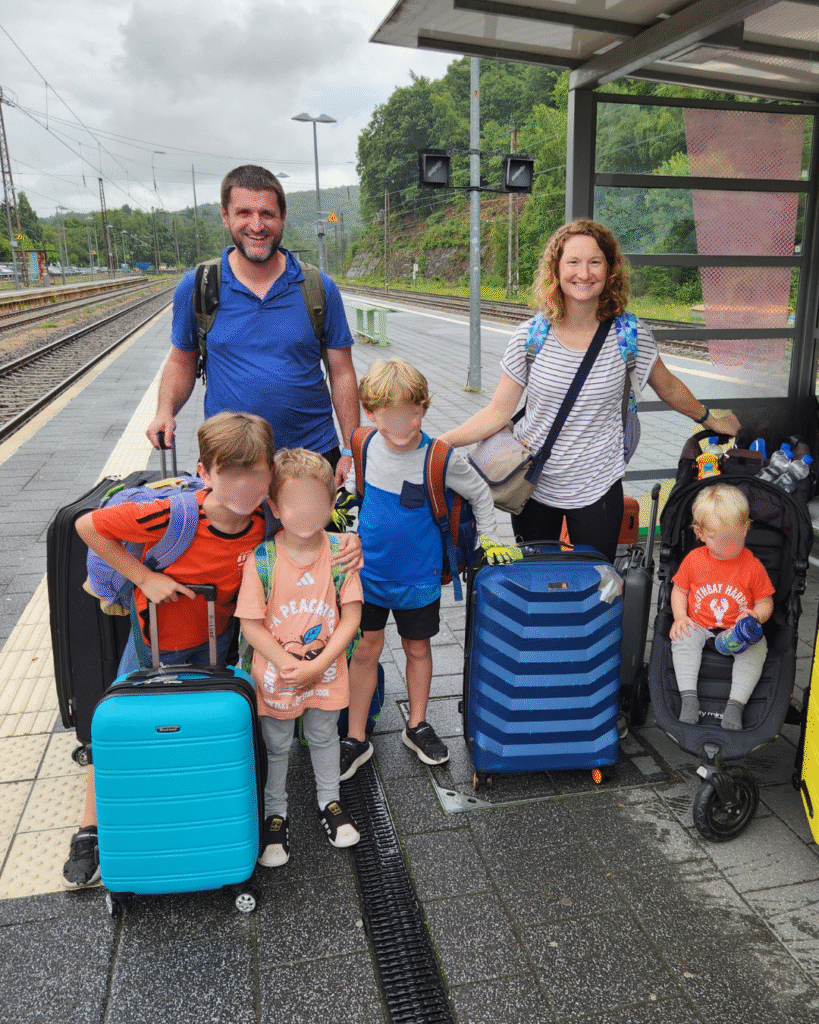
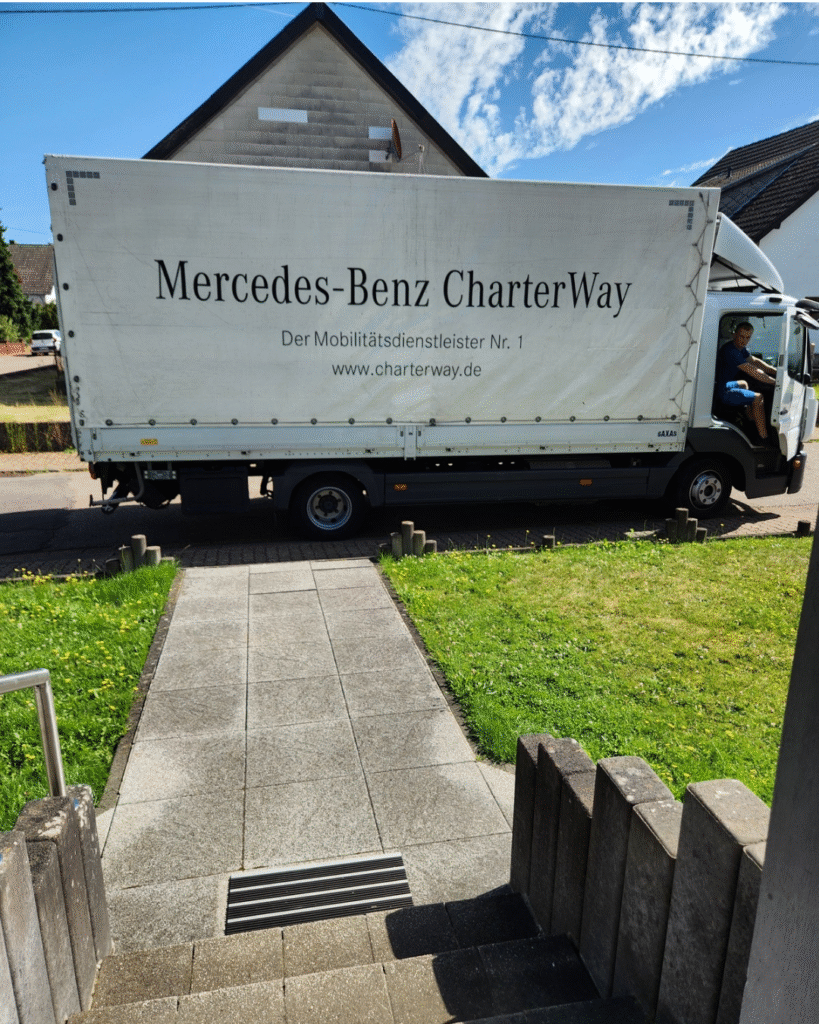
Fast forward to 2025: we’ve moved to Germany for the first time as a family. I hadn’t expected we’d land here this year, but honestly, I wouldn’t want to be anywhere else. I know we’re meant to be here (for now). Still, something is missing: our community. It may sound strange, since we’re living in my husband’s hometown, surrounded by family for the first time ever, and in a house we’ve been renovating for five years. Yet at the end of the day, we are Ausländer – the German equivalent of ferengi, mizungu, foreigner.
This time we’re not in an expat bubble, but in a small German town. Ironically, it’s even smaller than my Peace Corps site, so in some ways I’m riding the same roller coaster of emotions I felt in remote Ethiopia. Jokes aside, the similarities are real. As I figure out life here, I find comfort in documenting the differences, processing the changes, and watching the kids build their own communities at school and in the neighborhood.
Whether in Tanzania, Ethiopia, Lesotho, or Germany, I’ve learned that home isn’t just about where you live, but about the people who help you feel less like an outsider and more like you belong. For now, I’m holding space for the in-between, and trying to remember that transitions take time.